Indoor vs Outdoor EV Charger Installation
Garage, carport, or open driveway? Where you install your EV charger changes what equipment, weatherproofing, and cabling you actually need. Here's how indoor and outdoor installations compare for homes across the Gold Coast & Tweed Coast.
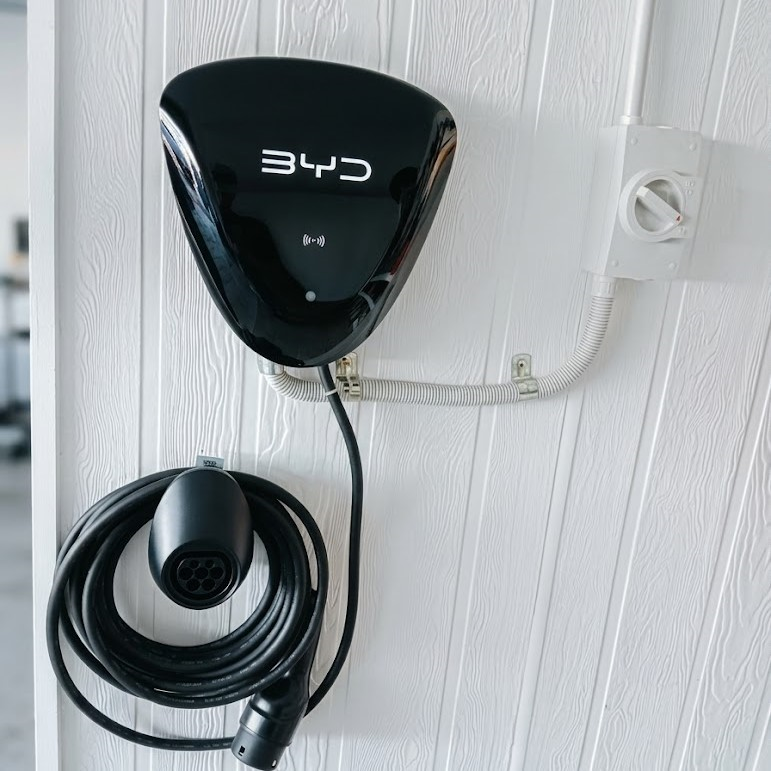
Indoor (Garage) Installation
- Standard IP Rating Sufficient
- Shorter Cable Runs Typically
- Protected From Sun & Rain
- Often Lower Installation Cost
- Ideal for Enclosed Garages
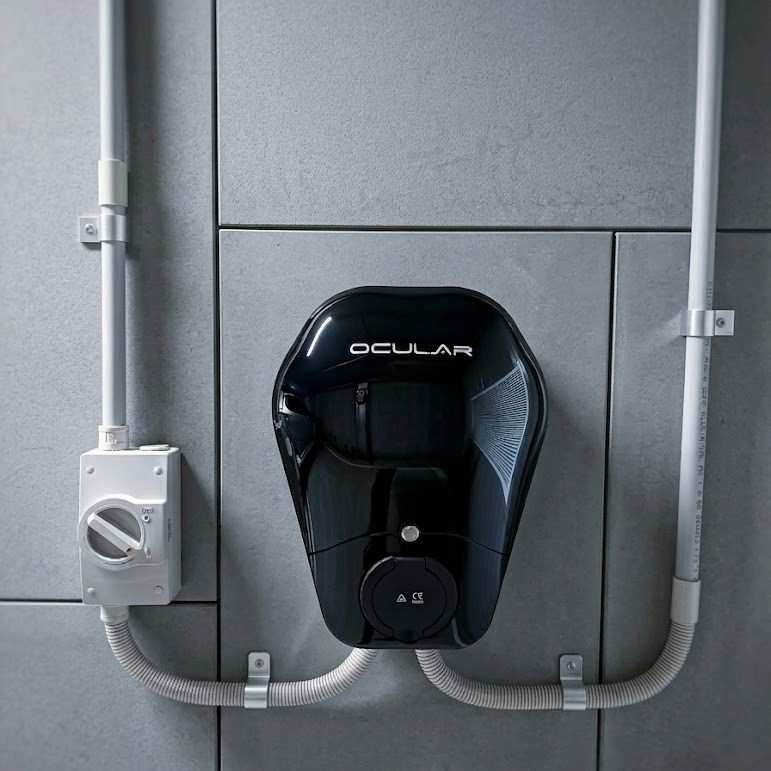
Outdoor (Driveway) Installation
- IP55/IP65 Weatherproof Rating
- UV-Stable, Corrosion-Resistant Unit
- Sealed Cable Entry Points
- Suits Carports & Open Driveways
- Built for Coastal Conditions
Choosing What's Right for You
- Free On-Site Assessment
- Cable Route & Distance Review
- Weather & Sun Exposure Check
- Correct IP-Rated Unit Recommended
- Compliant, Certified Installation
Not Sure Indoor or Outdoor Suits Your Home? Ask Us
Which Installation Location Is Right for Your Property?
Indoor Installations: Simple & Protected
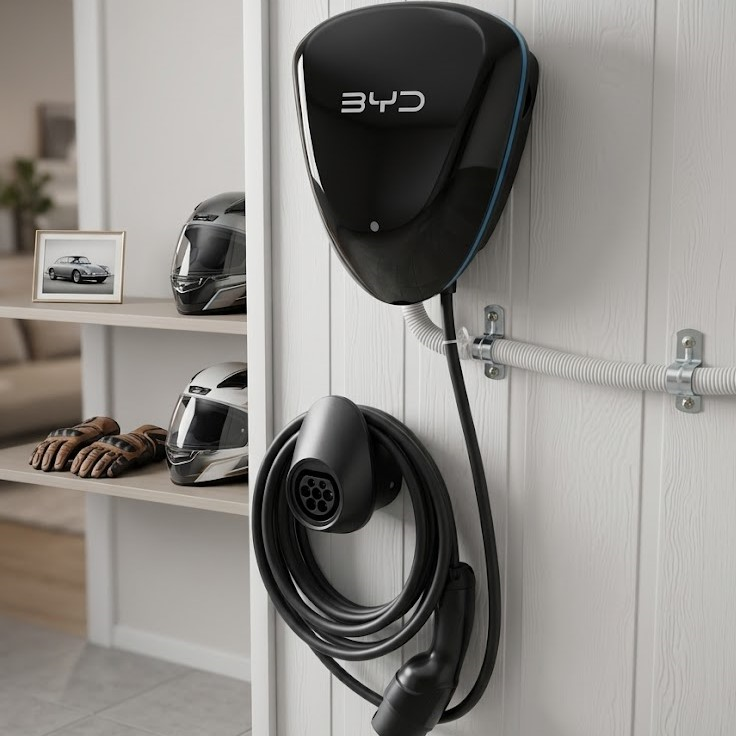
If your car is parked in an enclosed garage across Robina, Burleigh, or Tweed Heads, an **indoor EV charger installation** is often the most straightforward option. Because the unit is shielded from rain, direct sun, and salt air, a standard-rated charger is generally sufficient, and cable runs from the switchboard tend to be shorter.
This usually means a simpler install with fewer weatherproofing requirements, which can also help keep costs down compared to an equivalent outdoor setup. It also protects the unit's electronics and display from long-term UV and temperature exposure.
Outdoor Installations: Built to Handle the Coast
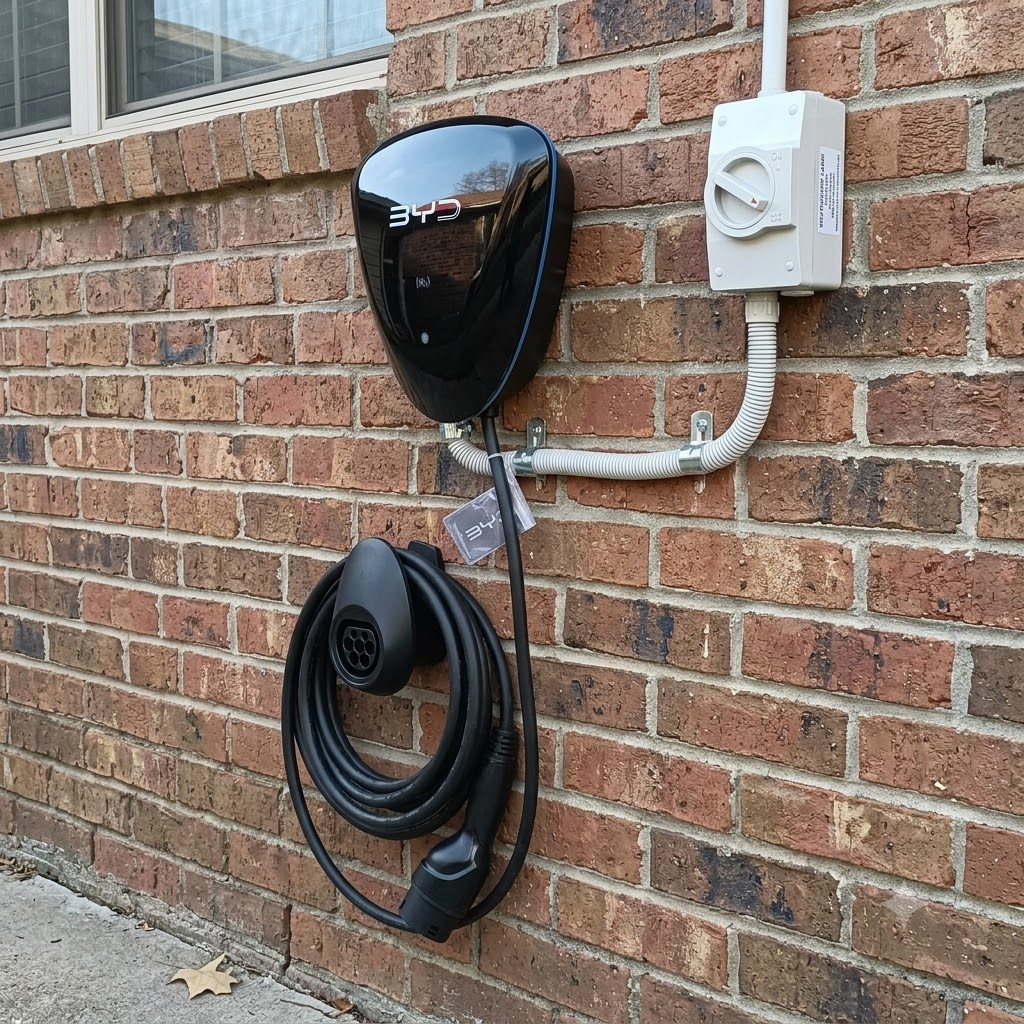
Many properties throughout the **2487 and 4217 postcodes** park under a carport or on an open driveway, which means the charger needs to handle rain, humidity, direct sun, and salt-laden coastal air year-round. We install units with an appropriate IP rating (commonly IP55 or higher) specifically designed for continuous outdoor exposure.
Cable entry points are fully sealed, mounting hardware is corrosion-resistant, and the unit's housing is UV-stable so it won't degrade or discolour prematurely in the sun. This is essential for beachfront and near-coastal properties where standard indoor-rated equipment would fail early.
How We Help You Decide
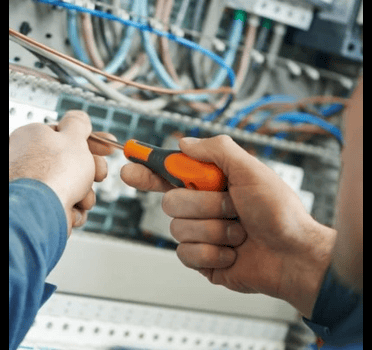
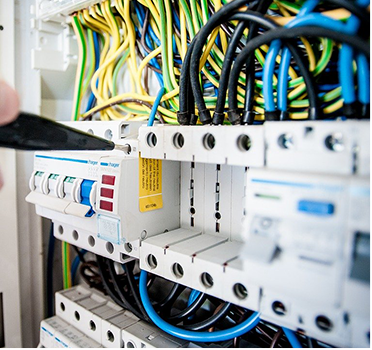
Not every property fits neatly into one category — some have a garage but park a second car outside, or a carport that's only partially covered. During our free on-site assessment, serving properties from Southport to Cabarita, we look at your actual parking setup, sun and weather exposure, and cable routing options.
From there we recommend the correctly rated charger and mounting approach for your specific location, so you get a unit that's protected, compliant, and built to last, rather than a one-size-fits-all solution.
