NSW Lic: 455046C | QLD Lic: 1510721

EV Charging Speeds Compared

Not all EV charging is created equal. From a trickle-charge power point to a full home fast-charging station, here's how the different charging speeds stack up — and which one actually suits your home or business on the Gold Coast & Tweed Coast.

Level 1 (Standard Outlet)

  • Around 2.4kW Output
  • 10-15hrs+ for a Full Charge
  • No Extra Installation Needed
  • Best for Occasional Top-Ups
  • Not Built for Nightly Use
Level 1 EV charging speed power point

Level 2 (Dedicated Home Charger)

  • 7kW to 22kW Output
  • 3-8hrs for a Full Charge
  • Single or Three Phase Options
  • Smart App & Solar Integration
  • The Standard for Home Charging
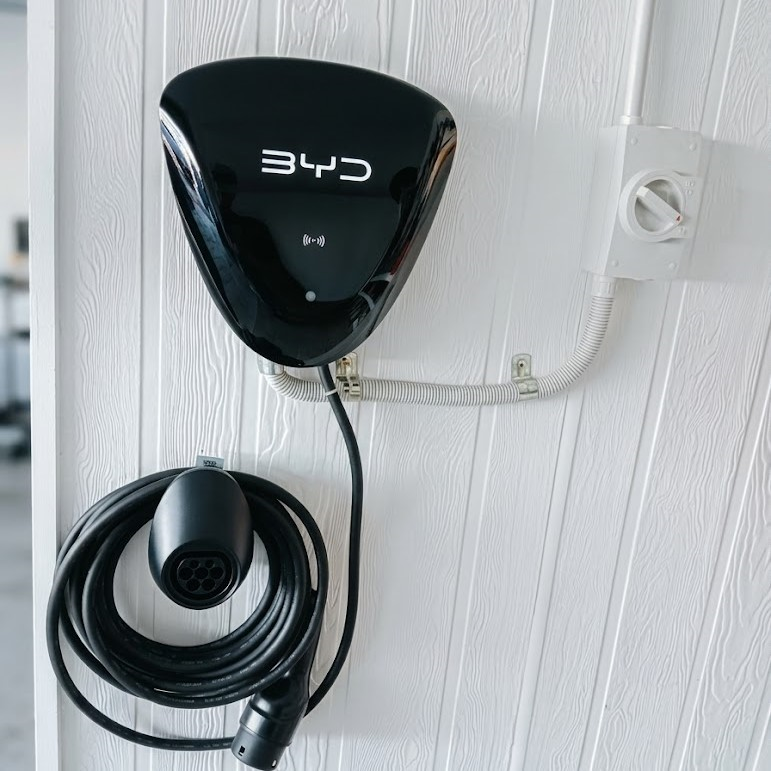
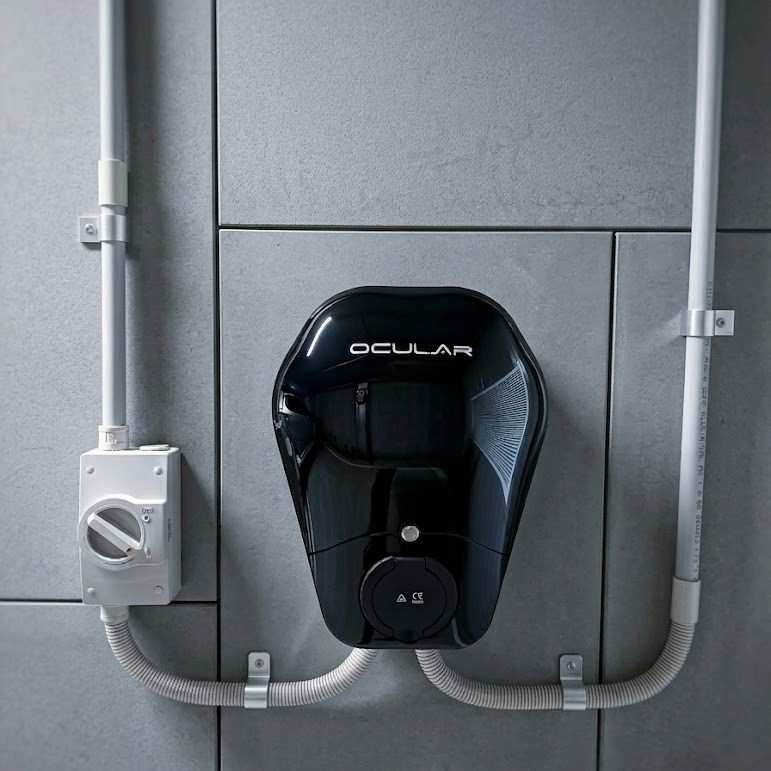
Level 2 dedicated EV charger speed comparison

DC Fast Charging (Public)

  • 50kW to 350kW Output
  • 15-45mins for 80% Charge
  • Found at Public Stations
  • Best for Long Trips
  • Not Practical for Home Use
DC fast charging speed comparison public station

Find the Right Charging Speed for Your Home

Level 1 vs Level 2 vs DC Fast Charging: What's the Real Difference?
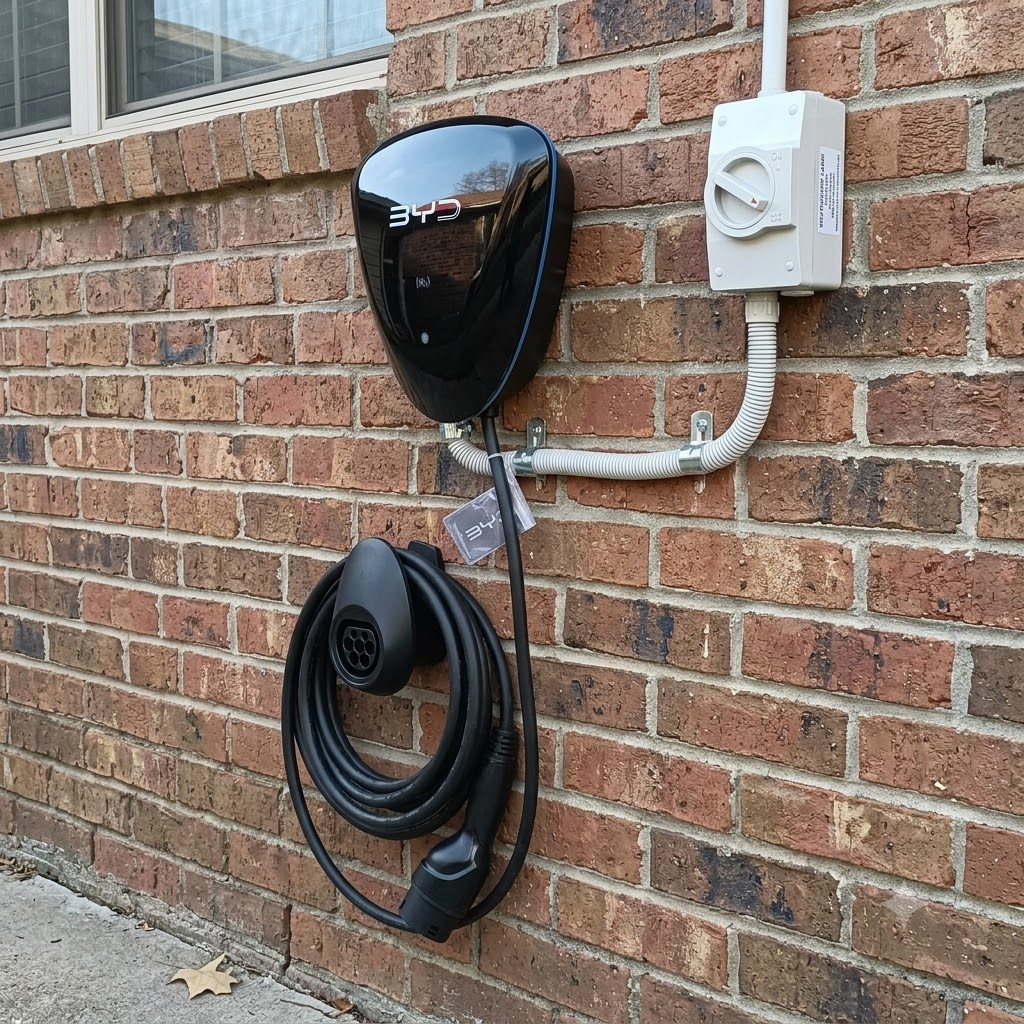
Level 1 charging speed explained Tweed Heads

Level 1: The Slowest Option

Plugging your EV into a **standard household power point** is technically charging, but it's the slowest method available. Delivering roughly 2.4kW, a Level 1 setup can take anywhere from 10 to over 20 hours to fully charge a modern EV, depending on the battery size.

It might suit a plug-in hybrid with a small battery, or someone who drives very little each day, but for most households across Robina, Burleigh and Tweed Heads, relying on Level 1 charging as a daily habit simply isn't practical — and it places sustained strain on wiring that wasn't designed for it.
Level 2 charging speed explained Tweed Heads

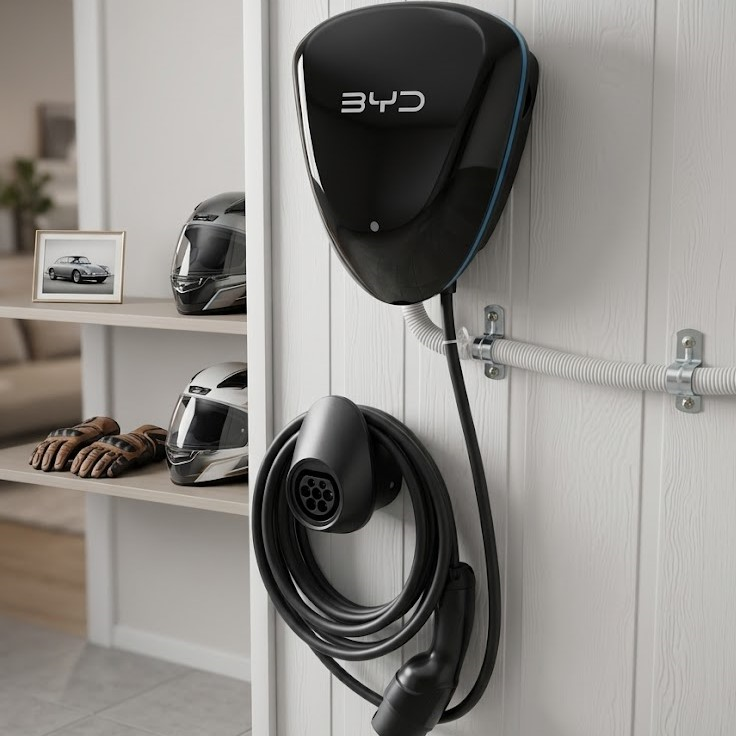
Level 2: The Home Charging Standard

A **dedicated Level 2 charger** is the sweet spot for home and business charging. Running on a dedicated circuit, single-phase units typically deliver around 7kW, while three-phase installations can reach up to 22kW, cutting full charge times down to somewhere between 3 and 8 hours.

This is what most properties throughout the **2487 and 4217 postcodes** install, because it comfortably delivers a full overnight charge, integrates with smart apps and solar systems, and is built specifically to handle sustained daily use safely.
DC fast charging speed explained Tweed Heads

DC Fast Charging: Built for the Road, Not the Garage

**DC fast chargers**, found at public charging stations, operate on a completely different scale, often delivering 50kW to 350kW and topping up a battery to 80% in as little as 15 to 45 minutes. They require specialised, high-voltage three-phase infrastructure that isn't feasible or necessary for a typical home.

Think of DC fast charging as the servo stop on a long drive from Southport to Cabarita and beyond, while your dedicated Level 2 home charger handles the everyday job of keeping your battery topped up for local trips and daily commutes.

Charging Speed FAQ

EV charging is generally split into three categories. Level 1 uses a standard power point and is the slowest, suited only to occasional top-ups. Level 2 uses a dedicated charging circuit, typically installed at home or at a business, and is significantly faster and safer for regular use.

DC Fast Charging is the quickest option by far, but it's found at public charging networks rather than homes, since it requires specialised high-power infrastructure. For most households, a Level 2 charger installed by a licensed electrician is the practical choice.

Most residential properties run on single-phase power, which supports Level 2 chargers up to around 7kW — plenty for a full overnight charge. Three-phase power, more common in larger homes and commercial buildings, can support chargers up to 22kW, roughly three times faster.

Not every property has three-phase power connected, and upgrading to it involves additional cost and, in some cases, approval from your electricity distributor. We'll check what's available at your property and recommend the charger that matches your actual supply.

For most everyday drivers, a standard single-phase Level 2 charger delivering around 7kW is more than enough — it comfortably replenishes a full day's driving overnight, every night, without needing to think about it.

If you drive higher-than-average daily distances, run an EV fleet, or simply want the fastest possible top-up between trips, a higher-output three-phase charger may be worth the extra investment. We'll talk through your typical driving pattern and recommend a charger that matches it, rather than over-specifying for speed you won't use.

Yes — your vehicle's onboard AC charger has its own maximum intake rate, and your charging speed will always be limited by whichever is lower: the charger's output or the car's intake capacity. Some vehicles cap out around 7kW even if plugged into a higher-powered unit, while others can accept 11kW or 22kW.

Before recommending a charger, we'll confirm your specific EV model's onboard charging capability, so you're not paying for output speed your car simply can't use.

Regular Level 2 home charging, even at higher outputs like 7kW or 11kW, is well within the design limits of modern EV batteries and is considered normal daily use by manufacturers. It's frequent, repeated DC fast charging that tends to generate more heat and, over many years, can contribute to slightly faster battery degradation.

For most owners, a dedicated Level 2 charger at home offers the best balance: fast enough for daily convenience, and gentle enough on the battery for genuine long-term reliability.

Other Electrical Solutions

CALL NOW